colata was not created
in isolation from reality. The starting point was
a distinction from the U.S. Defense Innovation Unit
at the NATO-Ukraine Defense Innovators Forum
hackathon, where the team built an autonomous drone
system capable of detecting and tracking a target
without operator control. This opened the way to the
PFR IDA 2024 programme, in which the General Staff
of the Polish Armed Forces set the team a specific
challenge: detecting aerial threats. That is how the
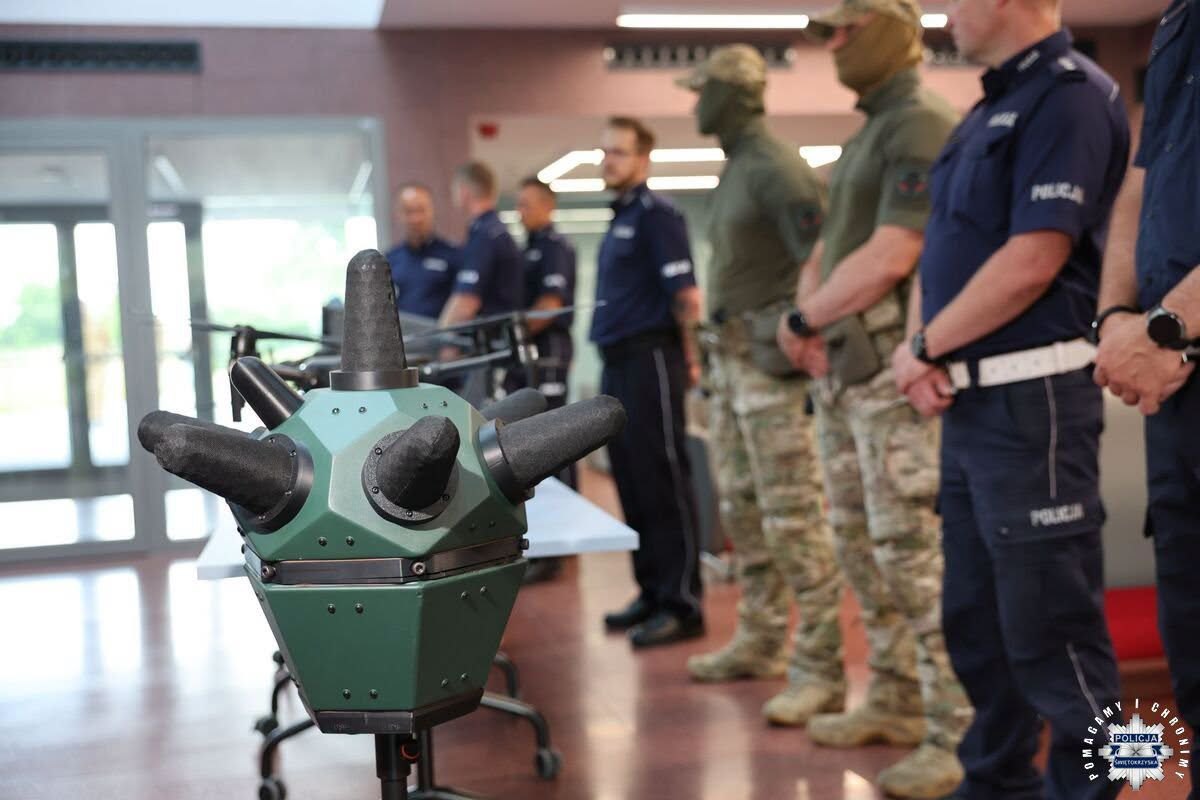
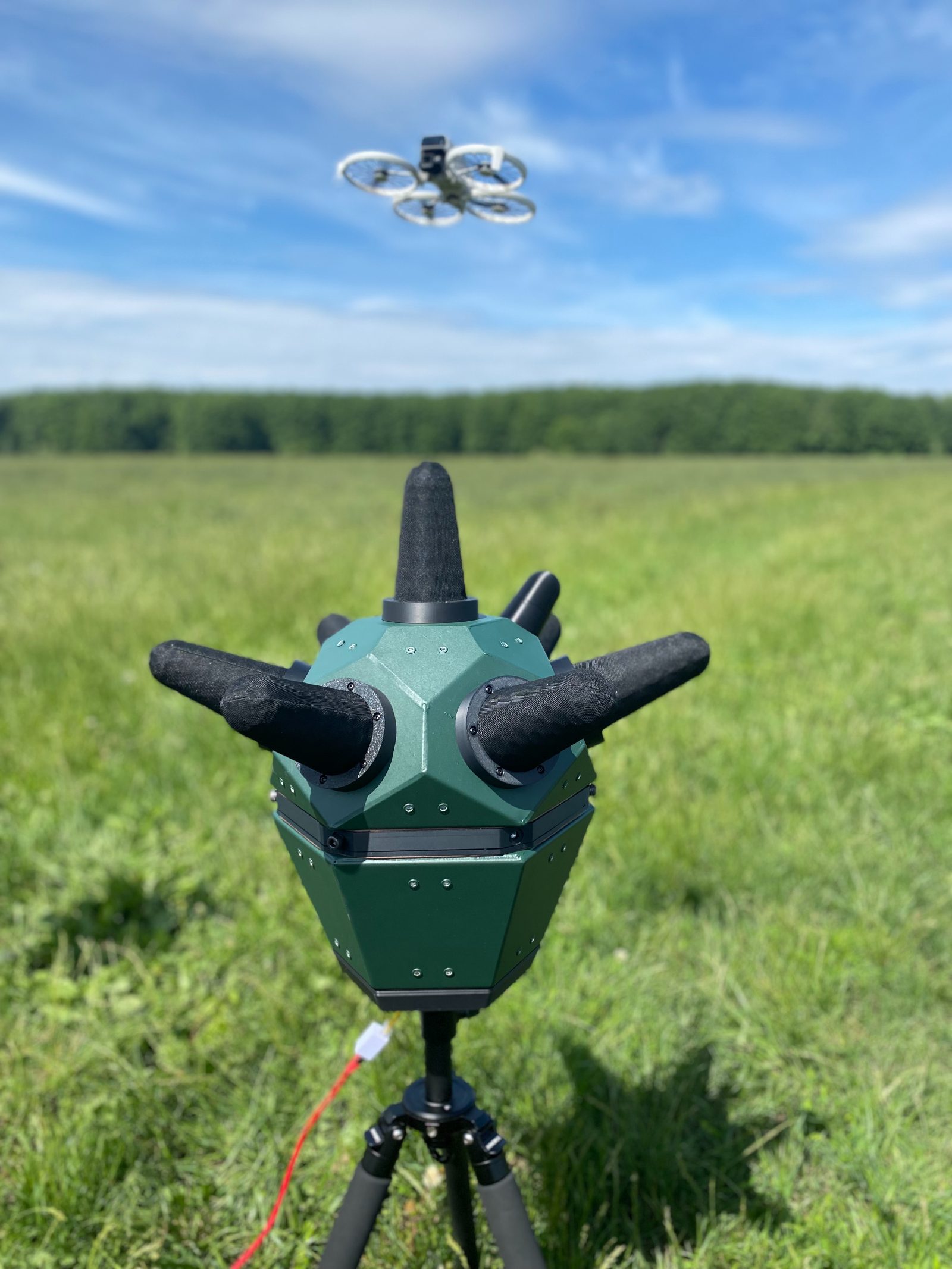
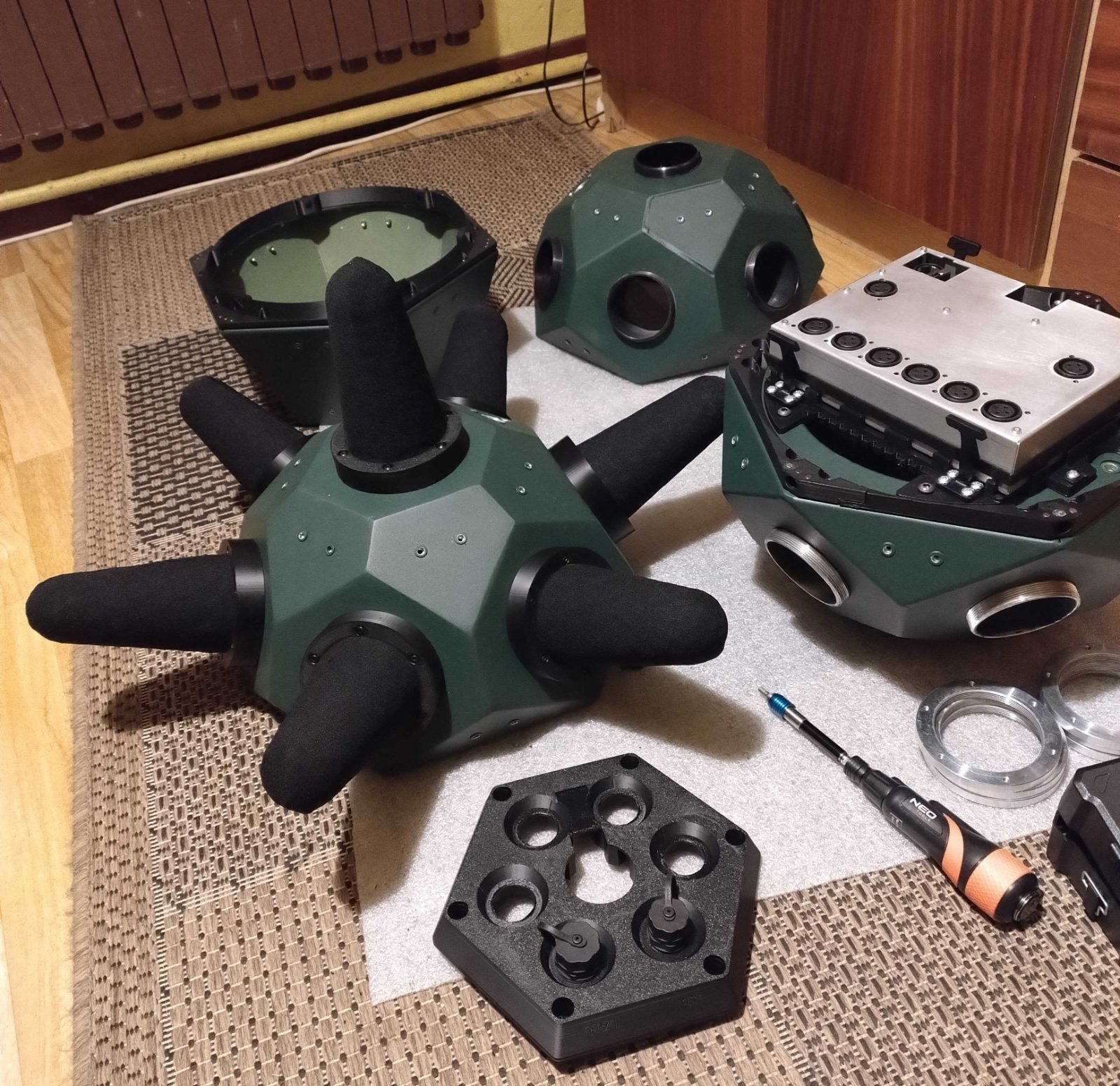
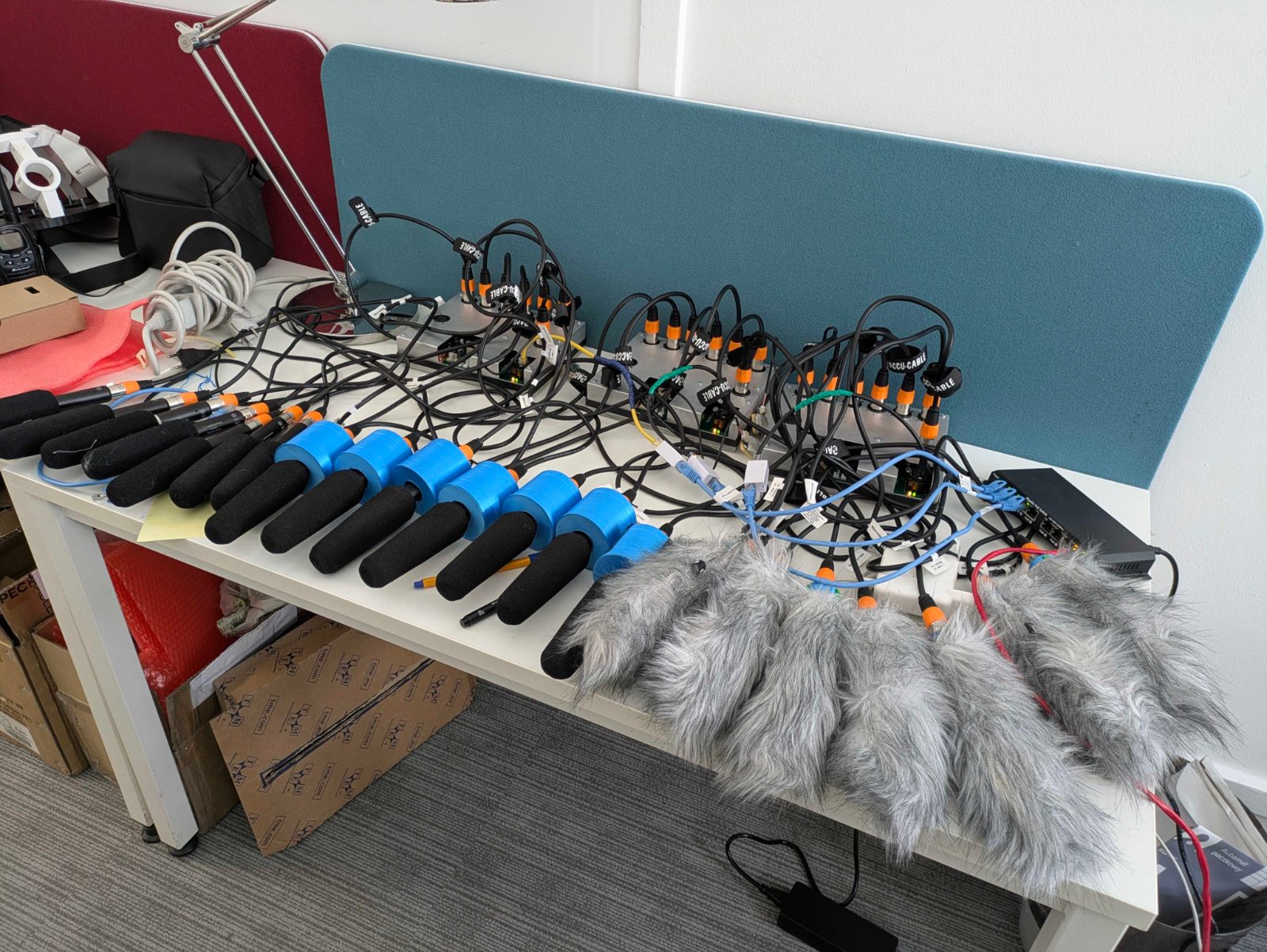
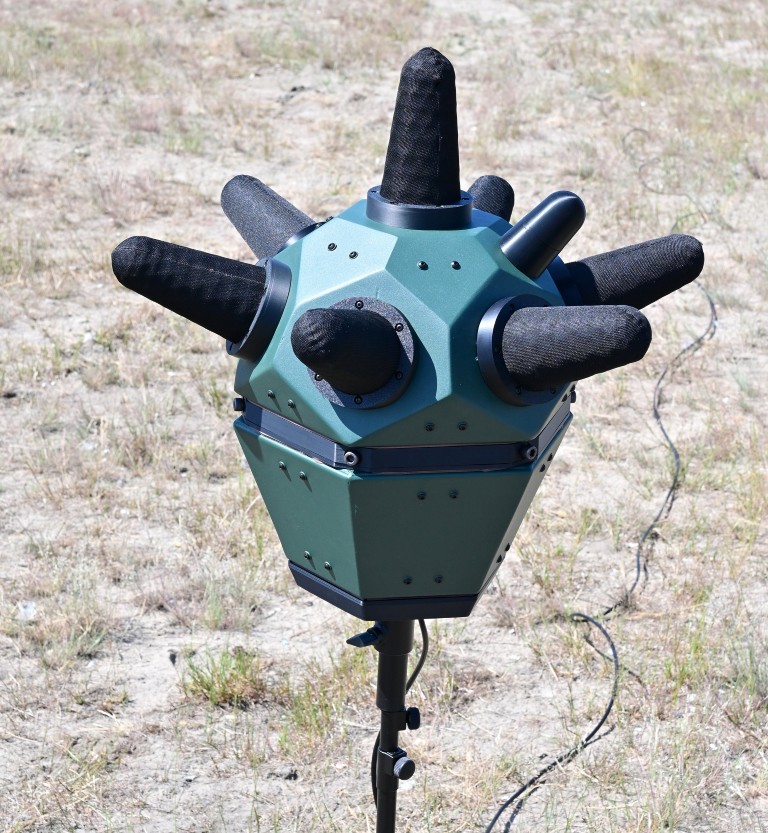
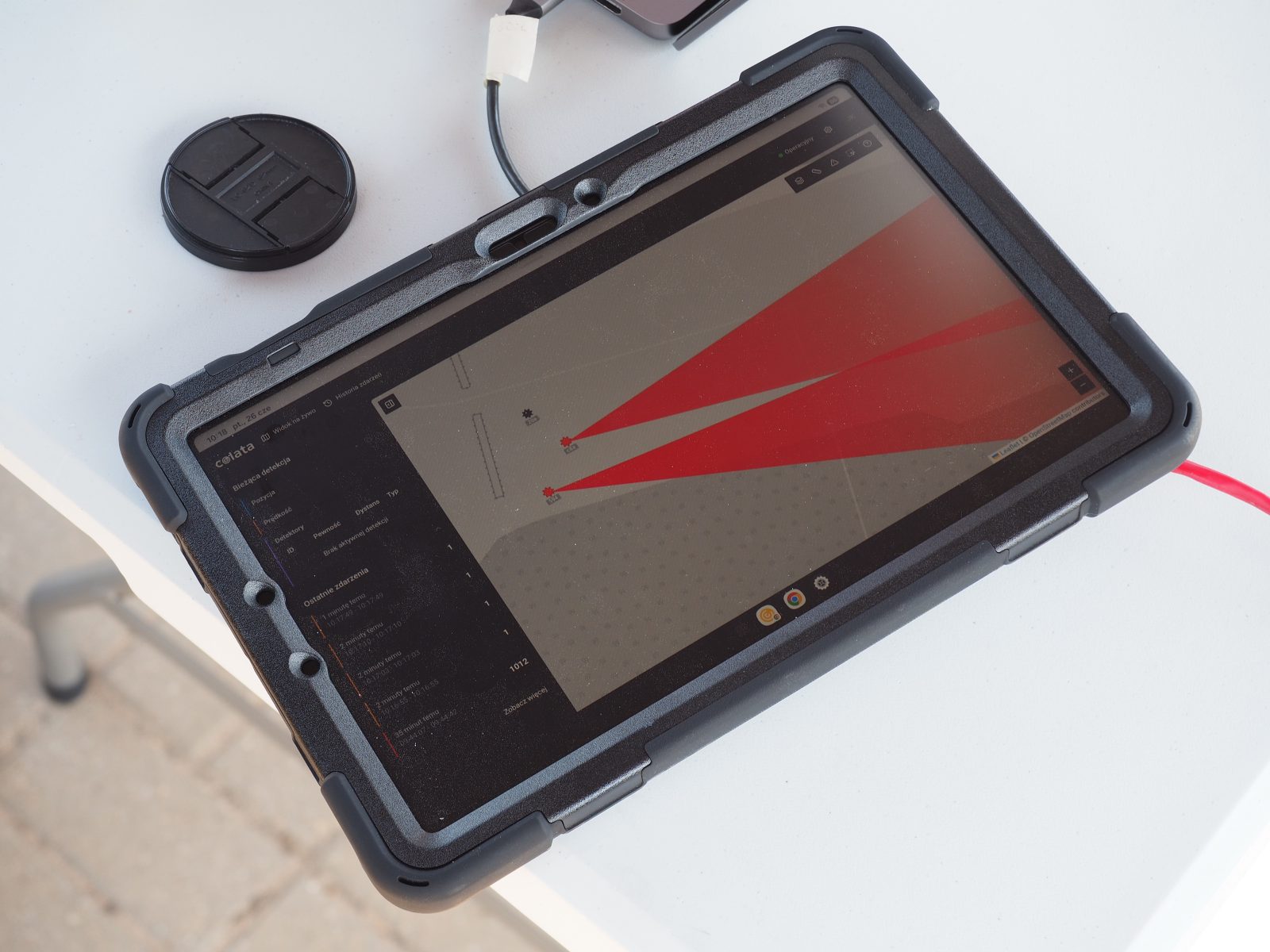
first prototype of an acoustic drone detector was
born.
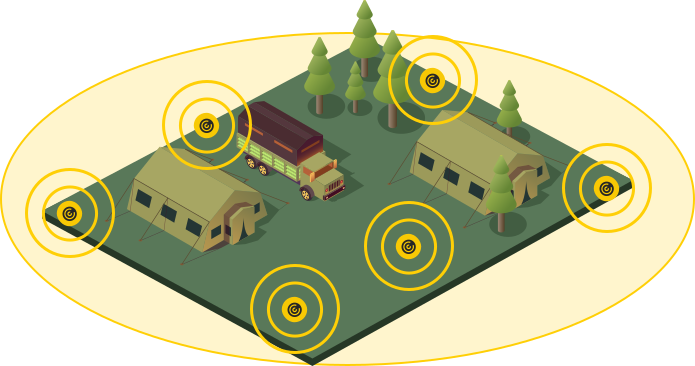
The project gained momentum when the problem stopped
being abstract — airspace violation incidents showed
how much distributed detection systems are needed.
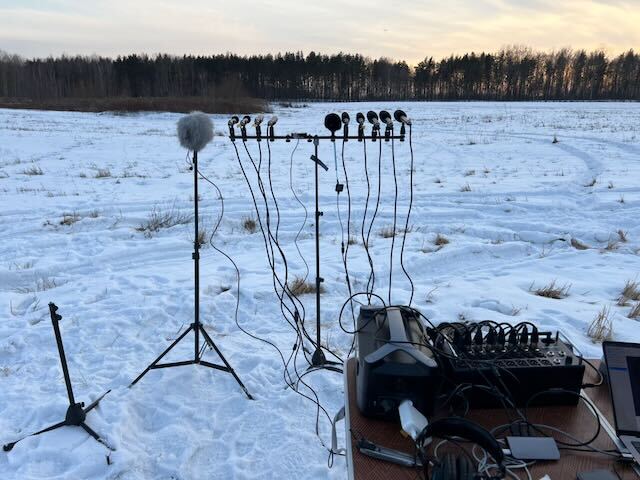
The team analysed solutions used in Ukraine and
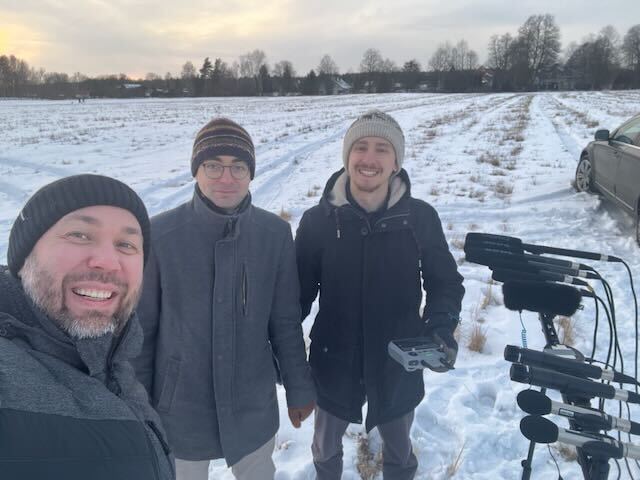
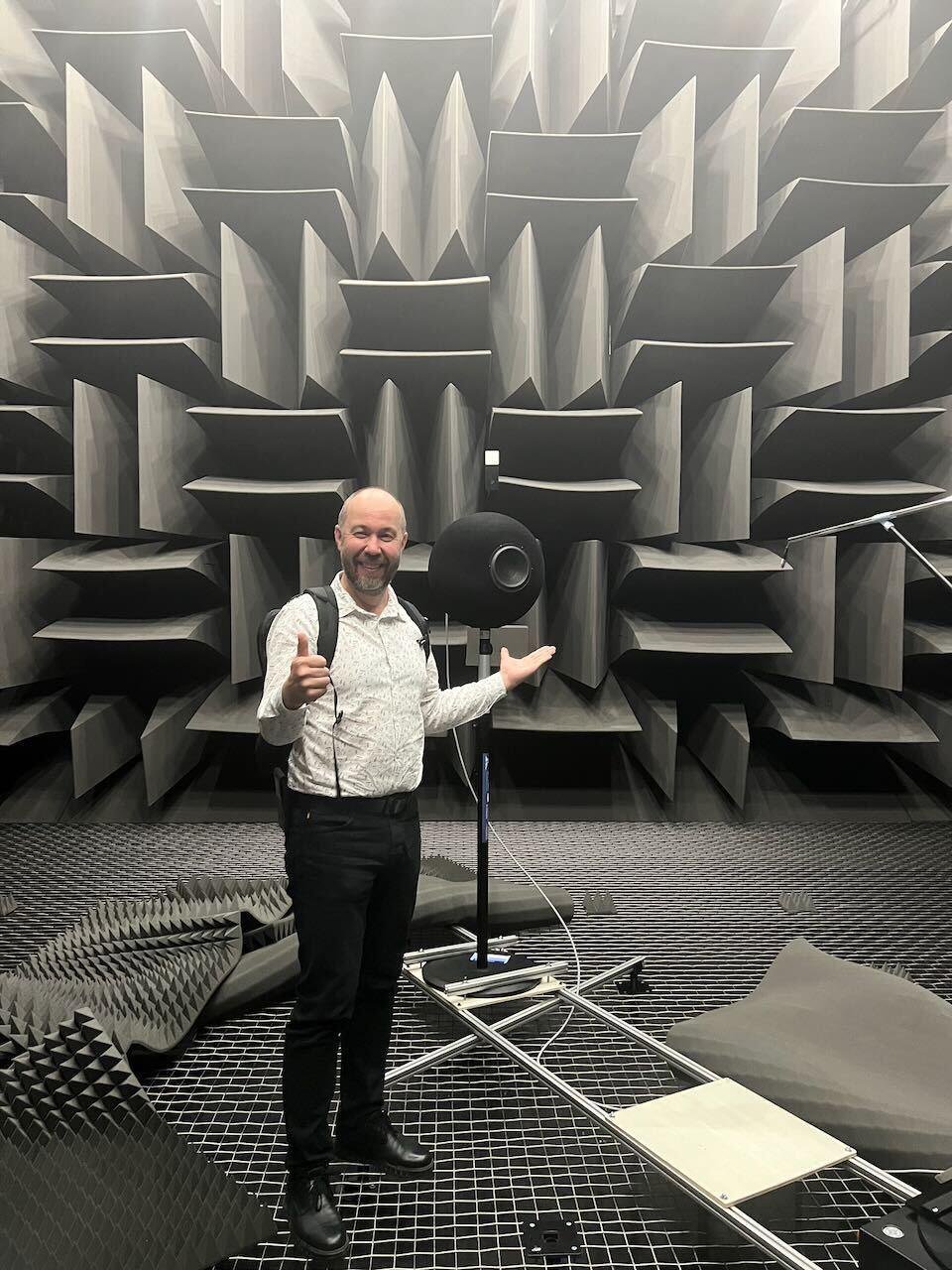
Europe, built its own database of acoustic
signatures of various drones and, on that basis,
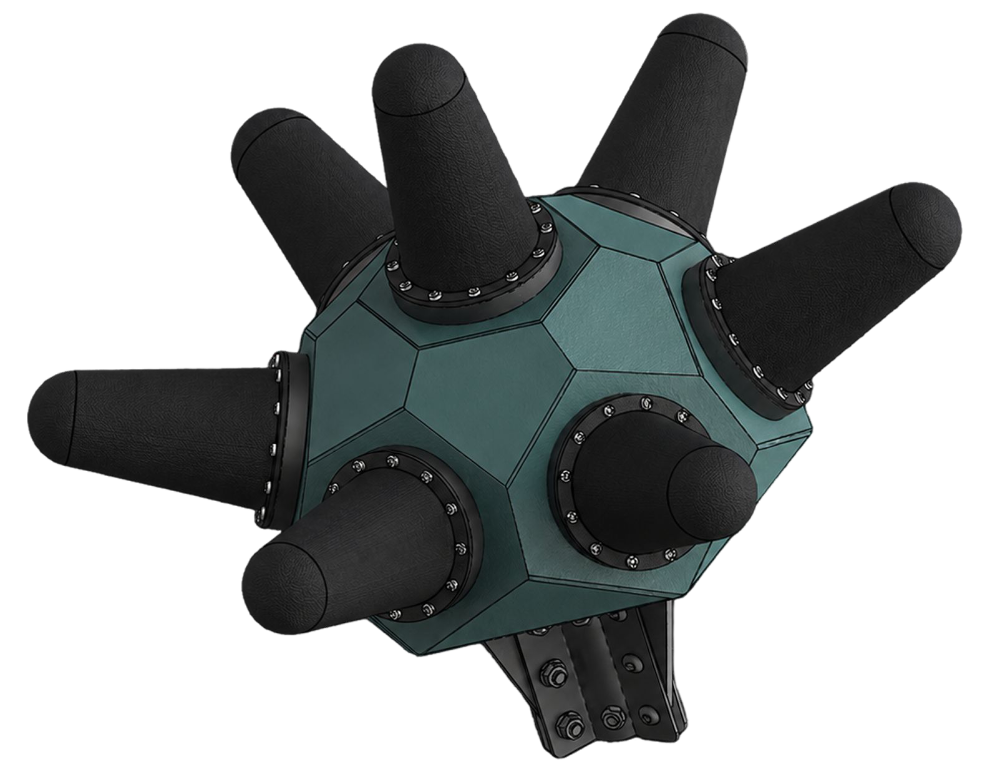
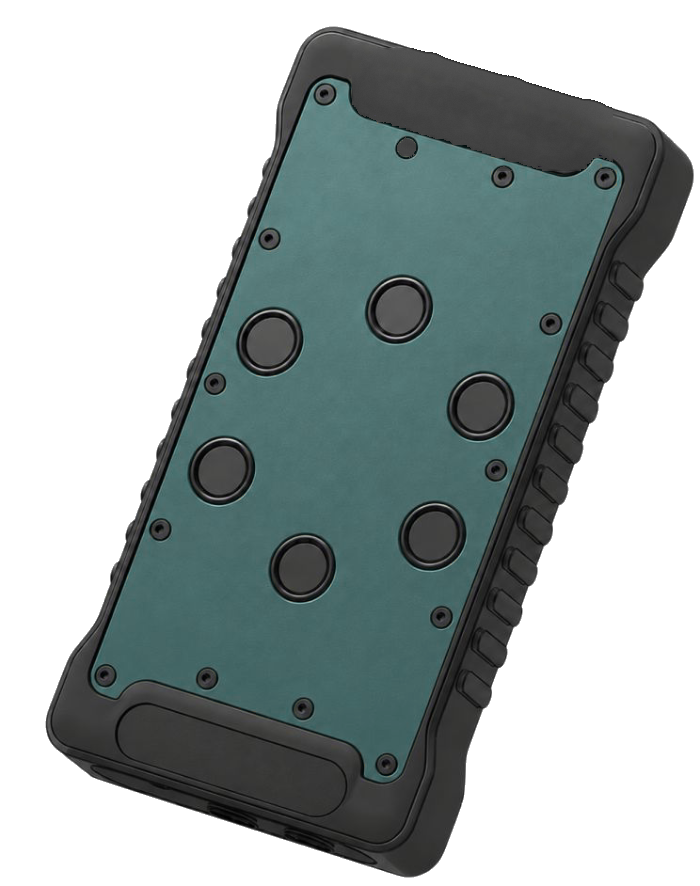
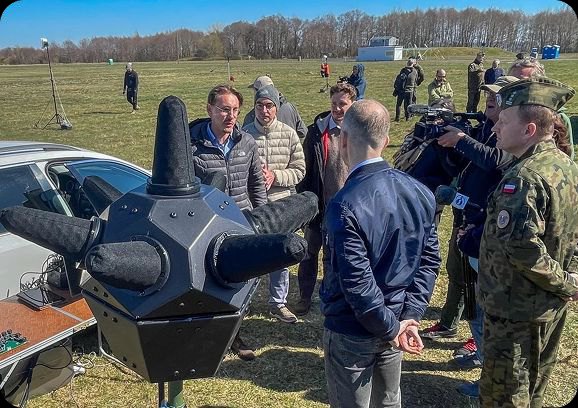
developed two working prototypes —
Jeżyk and Żółwik.
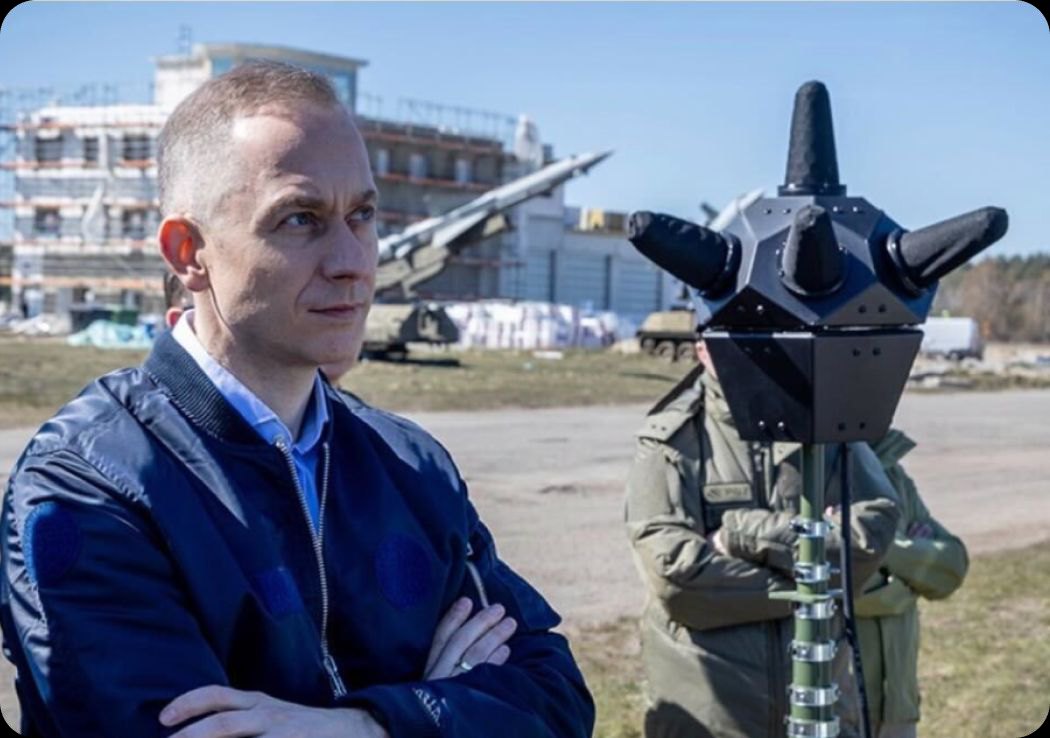
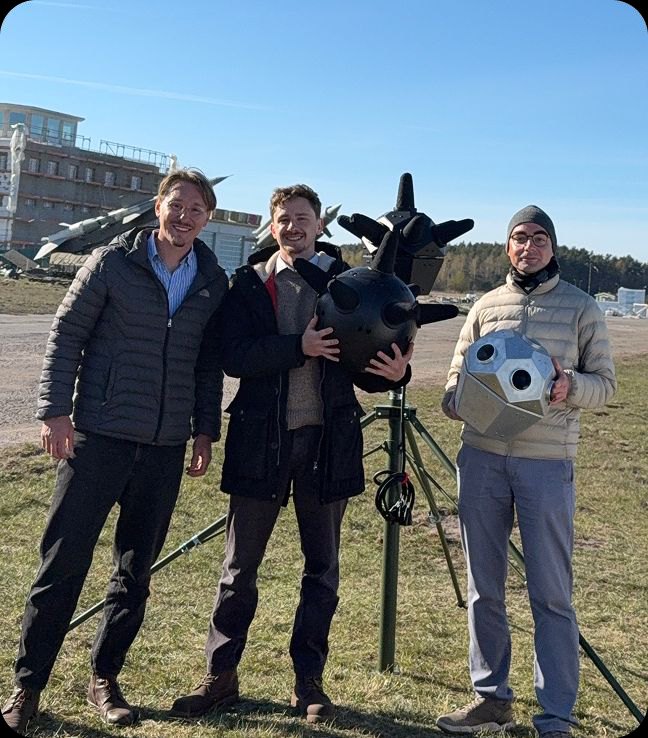
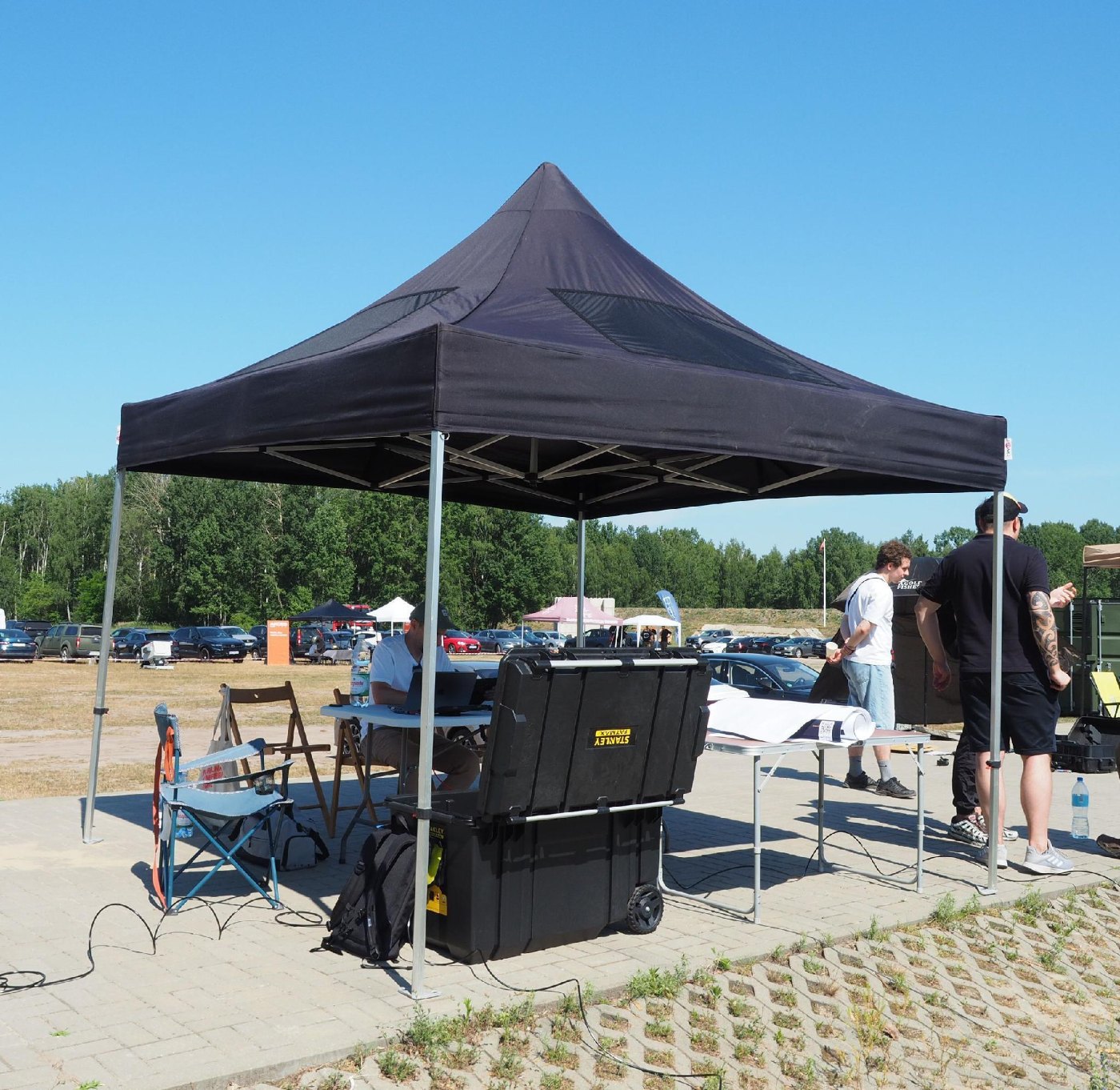
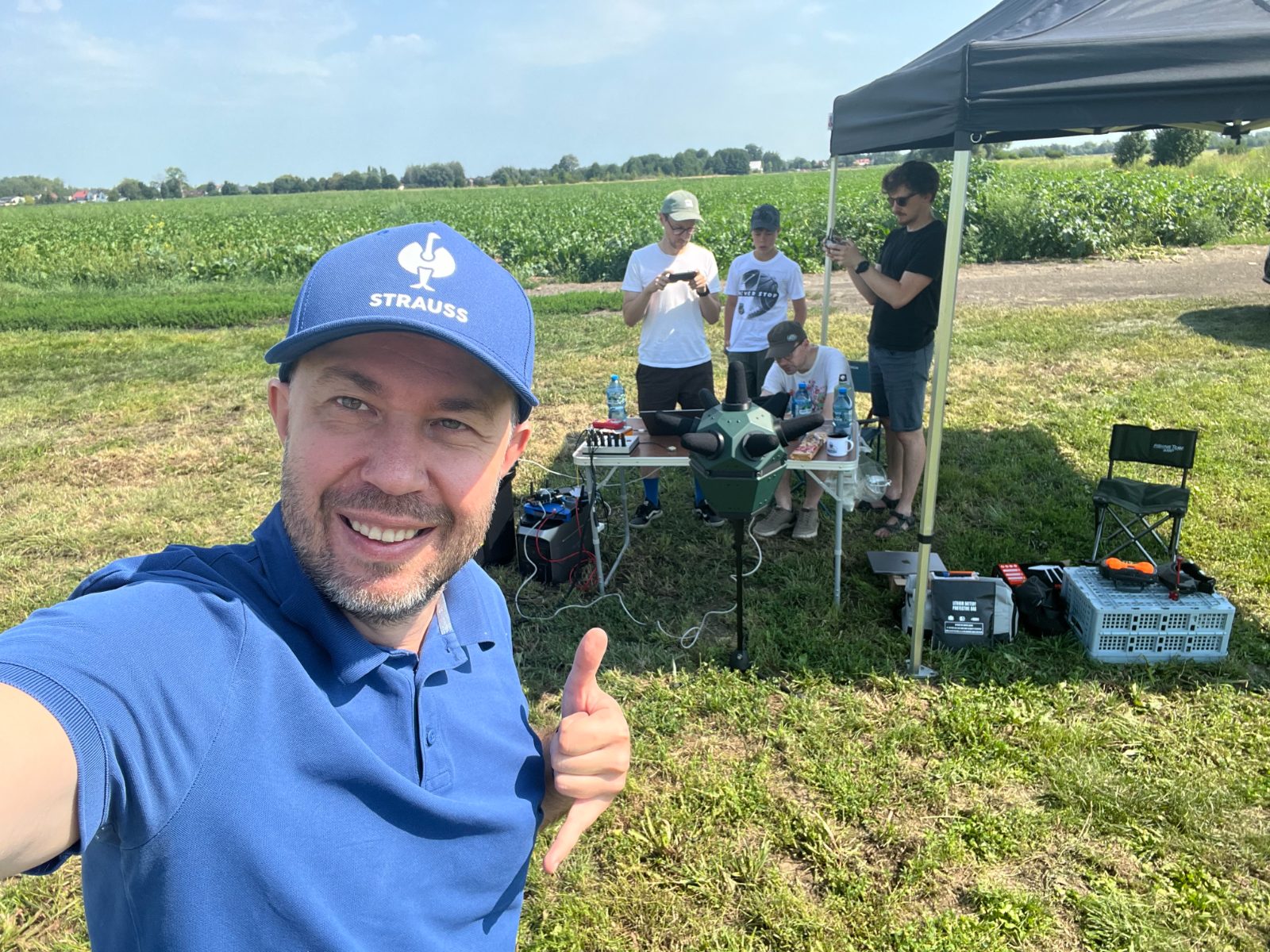
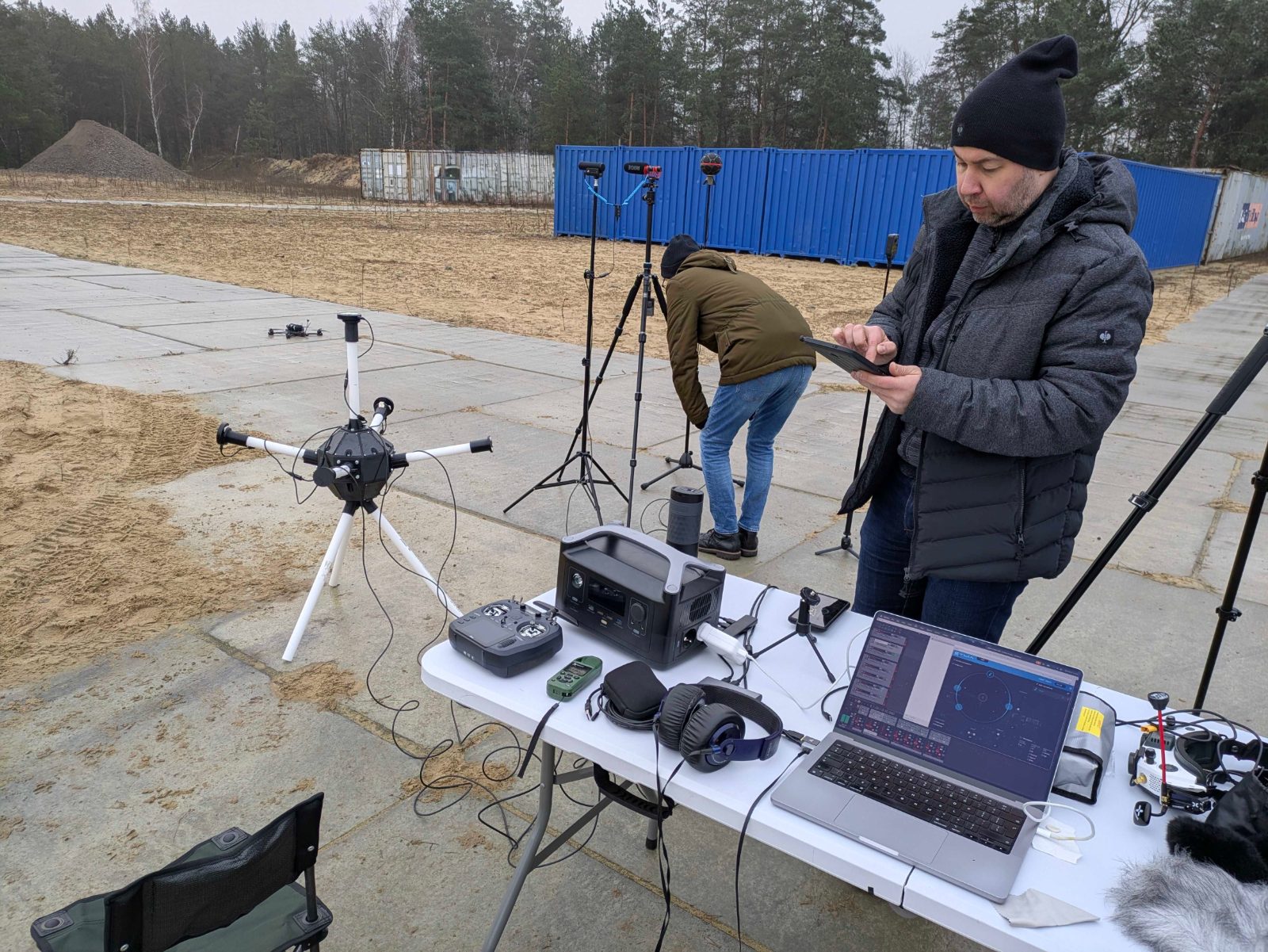
In spring 2026 the acoustic layer was field-tested at the Ustka range, at
the invitation of the Air Force Institute of
Technology (ITWL). Preparations are now under way
for the next stage of testing and for extending the
system with an RF and EO/IR layer. The project
received funding from the National Centre for
Research and Development (NCBR) under the European
Funds for a Modern Economy programme.